

The Book of Lymph by Lisa Levitt Gainsley caught my eye when it was published in 2021. It just took me about five years before grabbing a copy and I’m excited to share this book with you. If you don’t have a copy of The Book of Lymph, I highly recommend it.
I’m a fan of lymphatic massage and lymph work. While I know Chinese Medicine practitioners say Gua Sha is not for lymphatic drainage, I’ve found that it does support it, along with everything else that Gua Sha is for.
When I’m feeling under the weather, I’ll gua sha my neck, shoulders and parts of the back I can comfortably reach. I do have a tool for this; you can just use a porcelain spoon, the traditional tool of choice.
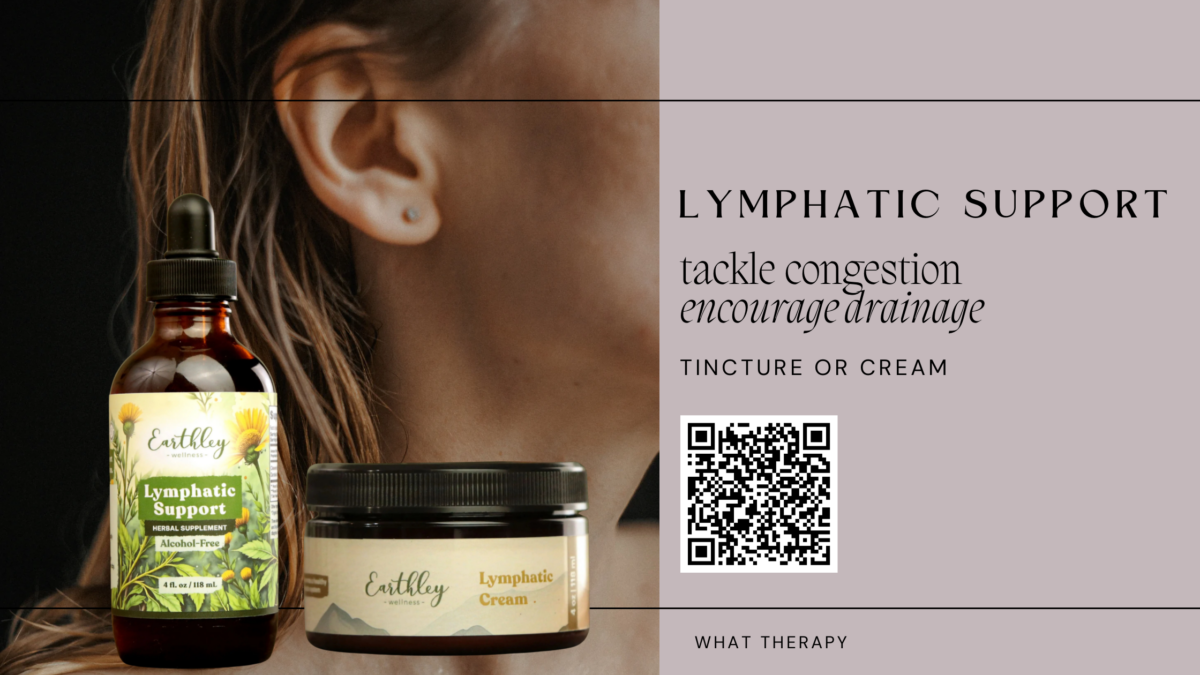
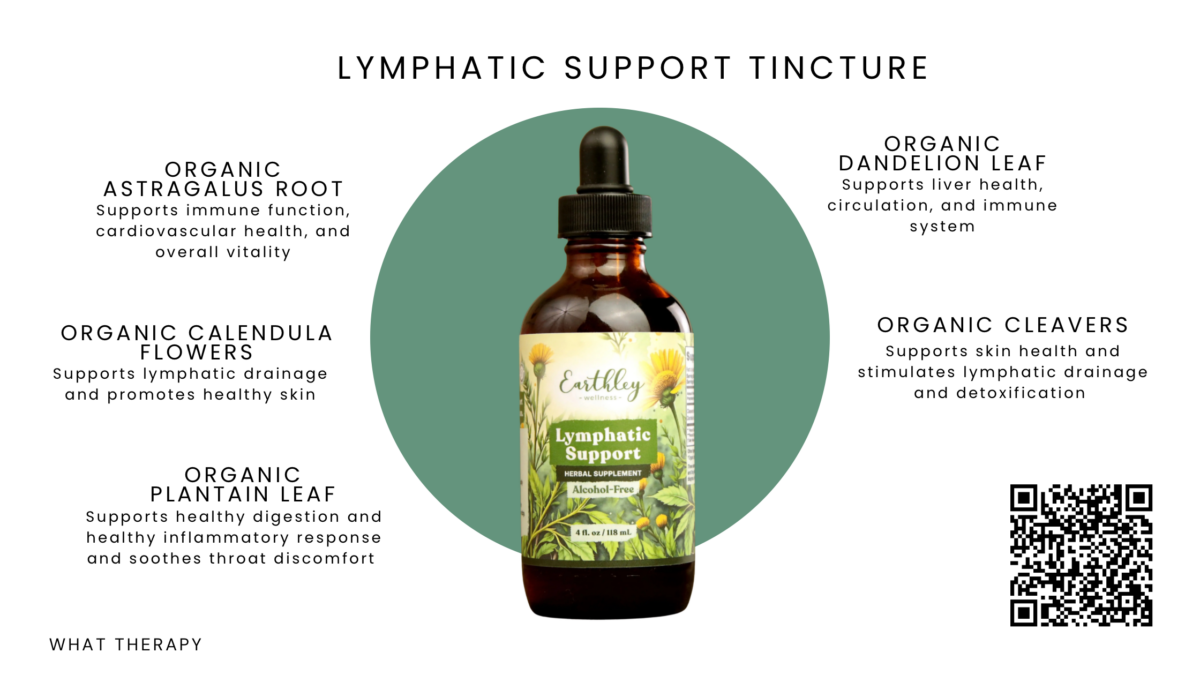
I also use Earthley’s Lymphatic Lotion. Since discovering Earthley and trying many of their products, Lymphatic Lotion is one I always have on hand. Recently Earthley launched a new product, Lymphatic Support Tincture. Before being added to their product line, Earthley first sends them out to testers. I was a tester for their Deep Lung Tincture. It did help me clear my lungs and the online reviews so far are also very positive. Take a look at this one, if you want more lung support.
It may feel like lymphatic drainage work is trending. Rather than a fad, it’s been a focus of a balanced approach to wellness for a very long time. I’ve written about supporting the lymphatic and glymphatic systems over the years. Read more.
We live in an increasingly demanding world in which many people can get swept up by and lost in. Stress, I maintain, is still very much skipped over and it’s partly because we are very adept at adapting. However, this does not mean it is healthy. The lymphatic system, as a result, can get neglected. Its job to cleanse the body and move waste becomes less efficient. The other systems also weaken as the lymphatic system support them. Certain health conditions, such as the removal of lymph nodes, compromise the lymphatic system and a stagnant lymphatic system worsens health conditions.
About the Book of Lymph
Author Lisa Levitt Gainsley is a Certified Lymphedema Therapist and lymphatic health educator. She has worked with clients who presented with many conditions and who are interested in being healthy so not to have chronic conditions.
The goal of the book, she offers, is to give readers a more efficient and direct approach through self massage. The Book of Lymph shares the sequences she has used with her own clients. And there are many sequences. The results she has seen include less inflammation, fewer headaches, fewer colds, better sleep, digestion, and energy levels, less stress, relief of perimenopausal and meopausal symptoms, and much more. Many people also noted improvement in how they look. This is not surprising as the external reflects the internal.
“When I was working as a lymphedema therapist at UCLA Medical Centre, I recognized the true power of lymph. Lymphedema is a condition in which an accumulation of lymphatic fluid becomes built up in your tissues, causing chronic swelling. It’s the result of a blockage in the lymphatic system and is typically located in the limbs but may also affect the torso, head, and other parts of the body.” – Lisa Levitt Gainsley
The Book of Lymph is not just for people who has lymphedema. It really is for everyone. This book also addresses stress, emotional health, and general well-being. A therapist referral guide is included so a qualified medical practitioner can review the self massage sequences prior to commencement for those with a serious condition, such as lymphedema.
About the Lymphatic System
Part 1 of The Book of Lymph covers the science of the lymphatic system and the author includes a glossary at the back of the book as well. You can also find a “mapping” of drainage to understand how to work with specific lymph nodes.
Here are some key points about the lymphatic system.
- one of 11 organ systems and the spleen is the largest lymphoid organ
- “second” circulatory system – garbage collector and recycling
- similar to the cardiovascular system, it is a vast network (lymphatic capillaries are found throughout the body)
- has no pump to move the lymph fluid through the body; lymph moves due to spontaneous muscles cells contracting and extrinsic forces such as breathing, heart contractions, and skeletal muscle contractions. Exercise and breathing help to improve and regulate the lymphatic system.
- each day about three litres of cleansed lymphatic fluid go back into the bloodstream
- lymph fluid moves in one direction, from the extremities toward the heart
- part of the immune system (produces white blood cells); lymph nodes are places white blood cells eliminate harmful substances from interstitial fluid
- supports digestion by taking fat to the bloodstream and cells can take the fat in as fuel
- maintains fluid balance
- 500 to 800 lymph nodes, with a diameter between 2mm to 2.5mm, which do not regenerate. Some substances like dusts and dyes stay in the nodes.
- has a superficial layer (in the dermis, just beneath the outer layer of the skin) and a deeper layer, a network that drains the deeper regions of the body and the organs
- the right lymphatic duct drains 1/4 of the fluid and the left, the rest
- breath work activates deep lymph circulation
- when lymph fluid does not return to the blood stream, the backup causes fluid accumulation in tissues, leading to bloating and swelling.
- the thoracic duct, which begins in the abdomen and goes to the left subclavian vein, drains the majority of lymph into the bloodstream.
- about 70 percent of our immune system is the lymphatics in the gut
- lymphatic tissue accumulates in the appendix – it’s here where it helps B lymphotcytes and immunoglobin A mature. The appendix is not useless.
Signs of Congestion
There are many factors in a compromised lymphatic system. These include misdeveloped lymphatic system, general surgery that may have cut through vessels, having lymph nodes removed, hip/knee replacements, exposure to environmental toxins, medication such as diuretics, and radiation.
The following are some signs of need:
- allergies
- bloating, swelling, puffy face
- brain fog, headaches
- chronic exhaustion, feeling sluggish
- constipation
- slow to heal, scar tissues
- poor digestion
- enlarged lymph nodes, inflamed tonsils
- hormonal imbalance
- obesity, difficulty to lose weight
- stress
- upper respiratory issues
- joint swelling
When you stimulate your lymph nodes before you work on the area of fluid you want to move, you will engage your entire system.
“When you breathe deeply, the contraction in your diaphragm alter the pressure in your chest that propels lymphs from the lower half of your body up through the thoracic duct back to your heart.” – Lisa Levitt Gainsley
She goes on to remind the reader that lymphatic drainage around the lungs helps remove toxins and drain accumulated fluids for recirculation. She further talks about studies showing how lung diseases oftentimes also have lymphatic system changes.
The lumbar lymph nodes, between the diaphragm and pelvis, drain the pelvic organs and the wall of the abdomen and shallow breathing also affects digestive health.
You can benefit from the self-massage sequences without understanding the science and biology of the lymphatic system and how it impacts the whole body. Be sure, however, to read the material prior to the sequences and for each sequence. Lisa Gainsley also includes many examples from her clients.
About Self-Massage
In Part II of The Book of Lymph, you will find self-massage sequences for “inner flow and outer flow”. The basics of doing a self-massage are here and include:
- starting with the lymph nodes to clear the drains and prep them to receive the lymph fluid
- using light touch (you can use a stronger touch on the abdomen and for cellulite)
- for a horizontal movement, use the palm rather than fingers and massage in one direction. There are five types of strokes, such as the “crescent moon” or C-stroke. Move slowly, working with the natural rhythm of the lymphatic system. Vessel walls open and close to push the lymph and they do so only six to twelve times in one minutes. Slow. And if you don’t get the strokes at first, don’t worry. You can practice separately and then over time, it’ll make sense.
- hydrate
- check with Lymphotomes map in the book (page 7) to know the order to work.
- contraindications: best to consult your physician, especially if you have blood clots, active bleeding, congestive heart failure, acute infection, acute renal failure, cellulitis, deep-vein thrombosis, embolisms, untreated cancer, hypertension, paralysis, pregnancy, recent surgery, and thyroid dysfunction. Note that this is not an exhaustive list. Check the list in the book and speak with your doctor.
The Book of Lymph has the following sections and sequences:
- Cold-like Symptoms
- Congestion/Sore Throat
- Earache
- Headache
- Sinus Congestion and Allergies
- Digestive Health (for most of Lisa Gainsley’s clients, this is a top concern)
- Deep Diaphragmatic Breathing
- Abdominal Massage
- Beauty
- Get Glowing Skin (recommended: alternating this sequence and “Abdominal Massage; this sequence can be beneficial to someone with chronic illness)
- Improve Cellulite
- Slim Your Waistline
- Your Internal Landscape
- Calm Anxiety
- Energy and Mental Clarity
- Hangover Remedy
- Heart and Lung Opener
- Good Sleep
- Women’s Health
- Breast Care
- Premenstrual Syndrome and Perimenopausal/Menopausal Symptom Relief
- Pregnancy and Postpartgum
- Recovery from Athletic Injuries, Pre- and Postoperative
- Recovery, Scar Tissue, and Chronic Conditions
- Achy Limbs: Arms/Legs
- Athletic Injuries, Pre- and Postoperative Recovery, and Scar Tissue
- Lymphedema -Arm Sequence, Breast Sequence, and Leg Sequency
- Palliative Care
Personal Experience
I’ve had The Book of Lymph for a couple of weeks now. It turned out to be great timing as a few days after, I experienced a sore throat and some congestion. I looked up the section “Cold-like Symptoms” for the sequence for congestion/sore throat. This is where I started.
Lisa Gainsley recommends this sequence at the start – when you’re feeling something is starting, a cold, a canker sore, a cold sore, a cough as this is the most effective. Regular lymphatic self-care is also helpful to support the immune system. The sequence for congestion/sore throat, however, is not for those with an acute infection or swollen lymph nodes from an infection.
The lymphatic self-massage sequence for congestion/sore throat has 21 steps. However, some steps are repeated. I’ve done this sequence quite a number of times. Keeping with it made a difference. I reviewed the strokes again a few times and the key difference is the light touch.
I also started several other sequences, as I began to feel better. The first one was for the legs as it is easy to have stagnation here.
“Your legs are your foundation, the roots of your body. They hold you up in the morning and lay you down to rest at night. They provide flexibility throughout the day, carrying out signals sent from your brain and physically ground you to your feet. Emotionally speaking, legs represent movement, stepping into your role in life, and your ability to flow through things.” – Lisa Levitt Gainsley
We can find an abundance of lymph nodes at our “hinges” – elbows, shoulders, thigh creases, hips, knees…
The sequence for the legs is a long one – fifteen steps for each leg. I have yet to get to the other leg. Each time I start, I’m optimistic I have the time. Still, what I noticed is how light my right leg feels doing this sequence. So do give yourself plenty of time for this sequence. Another thing I noted that while the images show using both hands together for the neck, I found it easier to use one hand at a time, often the opposite hand. (Right hand on the left side of my neck).
Another one I’ve started doing is “Get Glowing Skin” as I enjoy facial massage. This one feels very good and it includes steps that I already do as a massage which has a stronger pressure. So I had to remind myself, “light touch!” I am also alternating with “Abdominal Massage” to improve my digestive health.
The last one that I’m doing right now is Breast Care. I already have a gua sha practice for this and I wanted to give this sequence a go. If you already do breast massage the steps will be familiar to you.
I look forward to exploring The Book of Lymph, which has a lot of general wellness information, and try out the different sequences.
Which sequences are you interested in?
More Articles on the Lymphatic System
